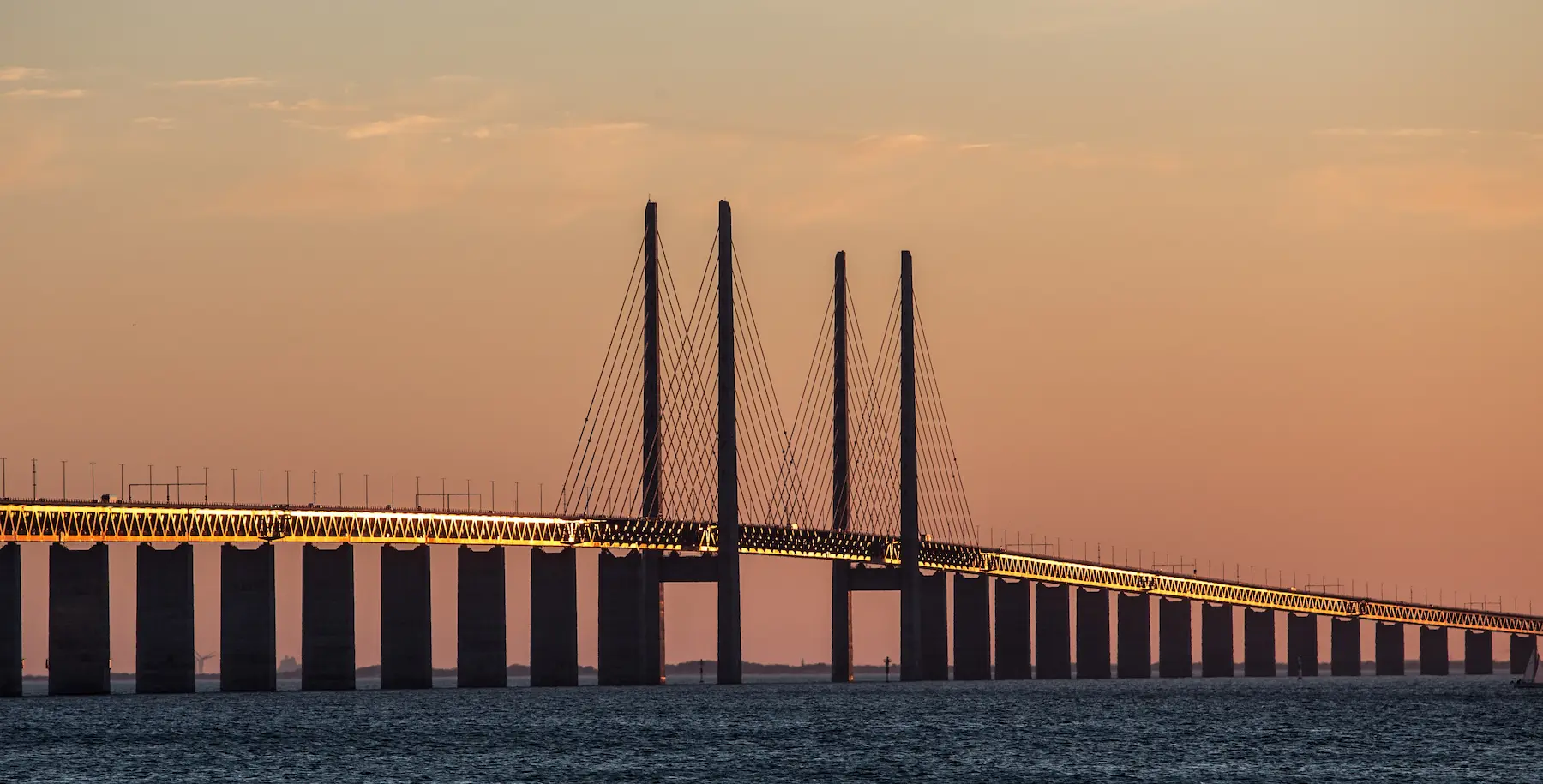
There are few urban infrastructure projects in India that have done as much for real estate as the Bandra-Worli Sea Link. Since becoming fully operational in 2010, the 5.6-kilometre cable-stayed bridge has done far more than ease traffic along Mumbai's western corridor. It has redrawn the map of luxury living in the city, extending the premium residential frontier northward and placing neighbourhoods like Dadar firmly in the sights of high-net-worth buyers who might once have looked exclusively at Bandra, Worli, or South Mumbai.
To understand why, it helps to remember what Mumbai's luxury residential geography looked like before the Sea Link. Premium sea-facing addresses were concentrated in a relatively narrow band — Nariman Point, Marine Lines, Breach Candy, Nepean Sea Road, Walkeshwar, and Juhu. These areas held their value partly because of their location and partly because access to comparable sea views elsewhere in the city was simply not available. The Sea Link changed that equation fundamentally.
For Dadar in particular, the impact has been transformative. A neighbourhood already rich in connectivity, cultural identity, and urban energy gained something it previously lacked: a direct link to the aspirational infrastructure of the new Mumbai. The result has been a sustained and structural upgrade in Dadar's positioning as a luxury residential destination.
How the Sea Link reshaped Mumbai's connectivity map
Before the Sea Link, the Mahim Causeway was the primary artery connecting South Mumbai to the western suburbs. It was perpetually congested, and the journey from Bandra to Worli — a distance of under six kilometres — could easily consume forty-five minutes during peak hours. The Sea Link compressed that journey to approximately ten minutes, effectively collapsing the perceived distance between two of Mumbai's most commercially significant zones.
The downstream effect on the corridor running through Dadar was immediate and significant. With traffic redistributed across a new high-capacity route, the roads passing through Dadar experienced meaningful relief. Commuters who had previously avoided the area due to congestion found it newly accessible. Businesses recalibrated their catchment maps. And real estate buyers began looking at Dadar with fresh eyes — not as a transit point to pass through, but as a destination worth considering in its own right.
The Sea Link also strengthened Dadar's position as a connectivity hub in a broader sense. Sitting at the junction of the Western and Central Railway lines, with improved road access to BKC, Lower Parel, Worli, and South Mumbai, Dadar emerged from the Sea Link era as arguably the best-connected residential neighbourhood in the city. For professionals working across Mumbai's dispersed business districts, that multi-directional accessibility is a compelling and increasingly rare advantage.
How Dadar gained the 'it-factor'
Dadar has always had a distinctive identity. Its Maharashtrian cultural heritage, its famous flower market, Shivaji Park, and its dense, lived-in energy give it a character that newer developments in peripheral locations cannot manufacture. But character alone does not create a luxury residential market. What the Sea Link provided was the infrastructure narrative — the sense that Dadar was part of the new, aspirational Mumbai taking shape along the western seafront corridor.
The Bandra-Mahalakshmi-Worli-Dadar-Mahim corridor that the Sea Link anchors has become one of the city's most dynamic real estate belts. Luxury developments, commercial projects, and lifestyle destinations have clustered along this route, reinforcing each other's appeal and drawing a new demographic of buyers who want to be embedded in the energy of this corridor rather than observing it from a distance.
For high-net-worth individuals evaluating Mumbai's luxury residential options, Dadar now offers something genuinely differentiated: the cultural depth and urban character of an established neighbourhood, combined with the connectivity premium and lifestyle infrastructure of a modern premium address. That combination is difficult to find elsewhere in the city, and it is driving sustained interest from a buyer profile that Dadar would not have attracted a decade ago.
Presenting a luxurious ambience
In Mumbai's luxury real estate market, views are among the most powerful drivers of value. The Sea Link created a new visual landmark — an iconic piece of engineering that is simultaneously a feat of infrastructure and an object of beauty. For high-rise developments in Dadar with clear sightlines toward the western seafront, the Sea Link has become a defining element of the view composition, adding prestige and desirability that translates directly into pricing power.
Developers have responded to this opportunity with projects specifically designed to capture and frame these views. Elevated floor plates, floor-to-ceiling glazing, and thoughtfully oriented unit layouts allow residents of premium Dadar developments to experience the Sea Link and the Arabian Sea as a daily backdrop. In a city where genuinely scenic residential views are scarce and priced accordingly, this is a significant differentiator.
Three and four bedroom luxury apartments in these developments offer buyers a combination that is genuinely rare in Mumbai: generous living space, a prestigious address, strong connectivity, and views that would not look out of place in the city's most celebrated premium buildings. For buyers seeking long-term value alongside immediate lifestyle quality, this combination presents a compelling case.
Enhanced connectivity driving real estate appreciation
The relationship between infrastructure and real estate value is well established in Mumbai, and the Sea Link's impact on Dadar's property market follows a familiar pattern. As accessibility improves, the pool of potential buyers and tenants expands. As that pool grows, demand increases relative to available supply. And as demand strengthens, values rise — both for sale and for rental.
What makes Dadar's situation particularly interesting is that the connectivity upgrade arrived in a neighbourhood that already had strong fundamentals. The Sea Link did not create demand from scratch — it amplified existing strengths and unlocked a tier of buyer interest that was previously constrained by infrastructure limitations. The result has been appreciation that is structural rather than speculative, supported by real improvements in liveability and accessibility.
Premium configurations have been the primary beneficiaries of this dynamic. Three and four bedroom apartments in well-located Dadar developments have seen sustained demand from families and senior professionals who value space, address, and connectivity equally. Rental yields for these configurations have strengthened alongside capital values, offering investors a return profile that compares favourably with comparable properties in Bandra or Worli at a more accessible entry point.
The new Dadar viewing deck and the seafront experience
Infrastructure upgrades rarely arrive in isolation, and Dadar's transformation has been accompanied by investments in public amenity that reinforce the neighbourhood's evolving identity. The new Dadar viewing deck — spanning approximately 10,000 square feet and supported by 26 pillars with capacity for 300 people — has added a genuine leisure destination to the neighbourhood's offer, placing it alongside Marine Lines, Juhu Chowpatty, Worli Sea Face, and Bandstand as one of Mumbai's iconic seafront public spaces.
For residents of premium Dadar developments, the viewing deck represents something beyond a recreational amenity. It signals a broader shift in how the neighbourhood is being curated and invested in — by the government, by developers, and by the community itself. Neighbourhoods that attract this kind of sustained investment in public realm tend to maintain their momentum as residential destinations, creating a virtuous cycle of improving quality and rising values.
The breezy atmosphere, the views of the Sea Link, and the sense of openness that the seafront provides offer Dadar residents an experience that is increasingly rare in the dense urban fabric of Mumbai. In a city where open space and visual relief are at a premium, these qualities carry real weight in residential purchase decisions — and they are only becoming more valuable as the city continues to grow.
Environmental benefits and long-term liveability
One of the less discussed but genuinely significant consequences of the Sea Link has been its contribution to air quality improvement in the surrounding corridor. By reducing idling traffic and eliminating the stop-start congestion that characterised the old Mahim Causeway route, the bridge has contributed to measurable reductions in carbon monoxide and nitrogen oxide levels in the areas it serves, including Dadar.
For premium residential buyers, environmental quality is an increasingly important consideration. The ability to point to improving air quality data, combined with access to green open space at Shivaji Park, gives Dadar a liveability profile that is meaningfully stronger than many comparable urban neighbourhoods. Developers of premium projects in the area have leveraged this narrative effectively, positioning their buildings not just as addresses but as environments conducive to health and wellbeing.
As sustainability becomes a more prominent factor in luxury residential purchase decisions — driven by globally aware buyers, wellness-conscious families, and investors who understand that green credentials support long-term value retention — Dadar's improving environmental profile will continue to strengthen its appeal relative to more congested alternatives.
Summary
The Bandra-Worli Sea Link did not merely improve travel times. It reframed what was possible in Mumbai's luxury residential market, extending the geography of premium living and creating new value in neighbourhoods that the infrastructure of connectivity had previously held back. Dadar has been one of the primary beneficiaries of this shift — and the transformation is far from complete.
With strong fundamentals, a distinctive identity, world-class connectivity, improving public amenity, and a growing pipeline of premium residential development, Dadar is positioned to continue its evolution as one of Mumbai's most compelling luxury addresses. For buyers and investors who recognise the opportunity while it is still in the process of being fully priced in, the case for Dadar is as strong today as it has ever been.